Speech Sounds
Practice sounds and clearer words through playful, purposeful activities.
 The Learning NestSpeech Therapy & Tutoring
Learn With Confidence. Speak With Purpose.
A warm, adaptive space in Flushing, Queens, for children, teens, and young adults to build communication skills through speech-language therapy and grow with personalized tutoring.
A Little Support Goes A Long Way
From first words to classroom confidence, we meet your child where they are and work toward what comes next.
Practice sounds and clearer words through playful, purposeful activities.
Build understanding, first words, and ways to share wants and ideas.
Support comfortable communication and confidence at your child’s pace.
Explore conversation, taking turns, and connecting with other people.
Understand your child’s strengths and needs, with clear next steps.
Grow reading, writing, math, and study skills with encouraging support.
Support includes articulation, language development, early intervention, stuttering, social communication, childhood apraxia of speech, and autism-related communication. We work with your child’s strengths and everyday communication needs. Learn about speech therapy.
Reading, phonics, comprehension, writing, spelling, vocabulary, math foundations, problem-solving, homework, study skills, and organization. Ask about subjects and grade levels available for your child. Learn about tutoring.
Parent coaching, school consultation, literacy support, and speech-language evaluations. Ask us about voice or feeding and swallowing concerns.
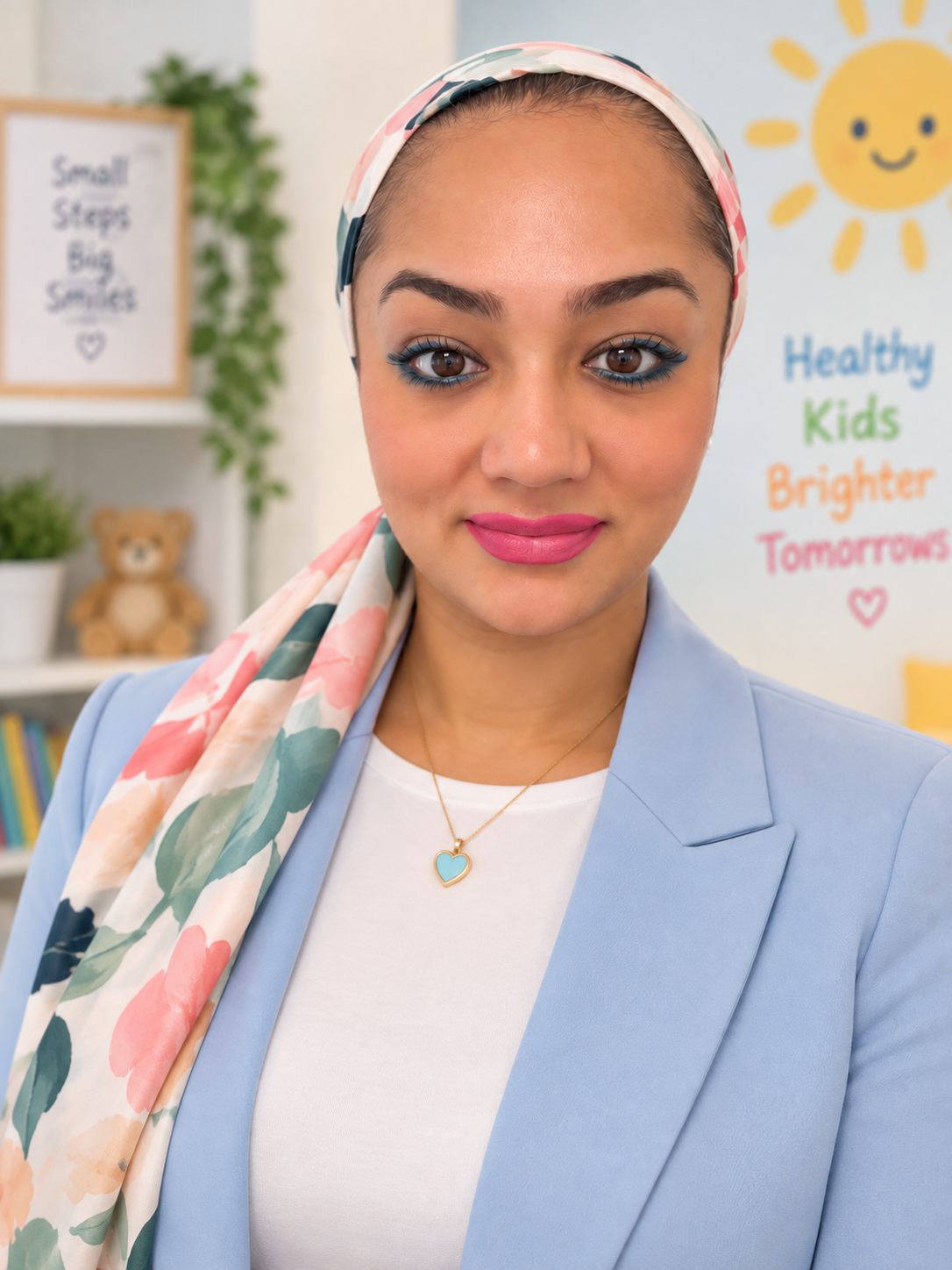
I believe every child deserves a way to share their thoughts and feel understood. Helping families find that connection is what makes this work so meaningful to me.
With 10 years of experience across schools, early intervention, private clinics, and therapy centers, I bring a thoughtful, family-centered approach to each child’s communication journey.
Wondering what communication can look like as your child grows? Explore communication skills from toddlerhood through ages 7–8.
A Little Moment At Home: Name what your child points to, then pause to give them a turn.
Read ASHA’s 13–18 month guideA Little Moment At Home: Add a word to your child’s phrase. “Ball” can become “big ball.”
Read ASHA’s 19–24 month guideA Little Moment At Home: Share a picture book and talk about what the characters are doing.
Read ASHA’s 2–3 year guideA Little Moment At Home: After reading, invite your child to tell you their favorite part.
Read ASHA’s 3–4 year guideA Little Moment At Home: Play a simple game together and let your child explain the rules.
Read ASHA’s 4–5 year guideKindergarten examples: skills described by ASHA for the end of the school year. Ages are approximate; school placement, instruction, and language experience vary.
A Little Moment At Home: Talk about a favorite part of the day, then invite your child to ask you a question.
Read ASHA’s kindergarten guideFirst grade examples: skills described by ASHA for the end of the school year. Ages are approximate; school placement, instruction, and language experience vary.
A Little Moment At Home: Ask your child to explain the steps of a familiar game or activity.
Read ASHA’s first grade guideSecond grade examples: skills described by ASHA for the end of the school year. Ages are approximate; school placement, instruction, and language experience vary.
A Little Moment At Home: Read a short story together. Ask what happened, why it happened, and what might happen next.
Read ASHA’s second grade guideA Guide, Not A Deadline. Children develop at different rates. Ages 5–8 use school-grade guides, not age-based diagnostic cutoffs. These examples are educational, not a diagnosis or a complete checklist. If your child is missing several skills in an age range, or you’re concerned, talk with a speech-language pathologist or your pediatrician.
Call (347) 426-7941Have An Older Child Or Teen? We can help with speech clarity, expressing ideas, understanding language, and navigating everyday conversations. Support can begin at any age.
Call for a free initial phone consultation. Tell us what you’re noticing and what you’d like help with. Free screenings are also available.
If recommended, a speech-language evaluation takes about 1–2 hours. Your written report is provided within one week.
We discuss your child’s goals and next steps. Speech therapy sessions typically last 30–45 minutes, with guidance for families along the way.
Something else on your mind?
We’re happy to talk it through.
Our speech therapy and tutoring office is at 152-05 79th Ave, Floor 1, Flushing, NY 11367, in Queens. Visits are by appointment. Call (347) 426-7941 for a free initial phone consultation.
Yes. Teletherapy is available. Call to discuss whether it is a good fit for your child and confirm eligibility based on your location.
Yes. Tamara is bilingual Russian / English certified and provides speech-language evaluations and therapy in both languages.
A speech-language evaluation includes comprehensive testing of expressive language, receptive language, and cognitive skills. Evaluations typically take 1–2 hours, and a written report is provided within one week.
Please contact us for current evaluation and session fees and to discuss payment and insurance questions before scheduling. An initial phone consultation and a screening are available at no charge.
New families should call (347) 426-7941 to discuss their needs and request an appointment. Existing families can call for scheduling help. For your first appointment, please arrive 15 minutes early to complete intake forms.
Please give at least 24 hours’ notice. Missed appointments are charged a $50 missed visit fee. Late arrival does not extend the scheduled session.
If your child is ill, contact us as soon as possible; illness-related late fees may be waived at the practice’s discretion. Repeated late cancellations or no-shows may require prepayment or a deposit, or result in the loss of a recurring appointment time.
Let’s find the right support, together.
Start with a free phone consultation.
For scheduling and general questions. Please avoid sending medical records or sensitive health information by email.
Let’s Find A Time To Connect
See open times and request a visit through our TheraPlatform scheduler.
If the calendar does not load, call (347) 426-7941. Scheduling information is handled by TheraPlatform.
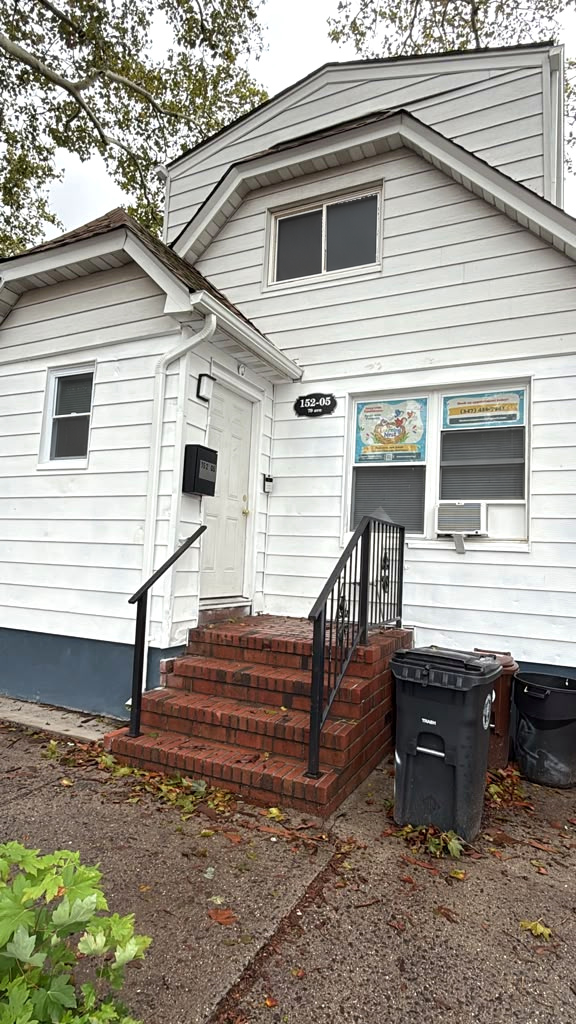
152-05 79th Ave, Floor 1
Flushing, NY 11367
By appointment. All times Eastern.
Holiday hours may vary.
Look for our colorful window signs beside the entrance. The entrance has steps; please call with any access questions before your visit.
Get Directions